raise awareness of invisible disabilities
Raising awareness of invisible disabilities is essential to creating inclusive and supportive workplaces, schools, and communities. Invisible disabilities, such as chronic illnesses, mental health conditions, and neurological differences, often go unrecognized because they do not have obvious outward signs. Awareness initiatives help reduce stigma, foster empathy, and ensure that individuals with these conditions can access the accommodations and support they need.
The first step in raising awareness is education. Providing accurate information about what constitutes an invisible disability, how it affects daily life, and the kinds of accommodations that may be required helps dispel myths. Training programs for managers, employees, and educators can include interactive workshops, case studies, and scenario-based learning to highlight real-life experiences. Education empowers people to recognize invisible disabilities and respond appropriately.
Storytelling is another effective tool. Individuals sharing their experiences can help others understand the challenges and barriers faced by people with Invisible disabilities. These narratives foster empathy, normalize discussions about invisible disabilities, and encourage others to disclose their needs without fear of judgment. Promoting these stories through internal newsletters, social media campaigns, or team meetings can create a culture of openness and inclusion.
Policy implementation plays a crucial role in supporting awareness. Organizations can develop formal procedures for requesting accommodations, training staff on their obligations, and establishing channels for confidential communication. Policies should emphasize that invisible disabilities are legitimate and deserving of support. Clear guidelines help reduce misunderstandings and ensure that employees and students are treated fairly under the law.
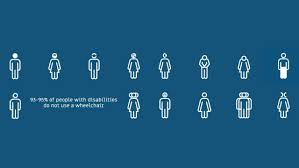
How to raise awareness of invisible disabilities?
Legal knowledge is critical when awareness alone is not enough. Employees who face discrimination, denial of accommodations, or dismissal may need to take legal action. For instance, some individuals may consider Suing for wrongful dismissal due to physical disability when their invisible disabilities are ignored or mishandled. Ontario case law, Supreme Court decisions, and Human Rights Tribunal rulings provide guidance on protecting rights and establishing obligations for employers and institutions. Resources like htwlaw.ca offer detailed information on legal protections and how to navigate disputes.
Workplace initiatives, such as awareness campaigns, mental health days, and inclusive communication practices, further support employees with invisible disabilities. Employers should encourage managers to recognize early signs of difficulty, provide appropriate accommodations, and maintain an ongoing dialogue with staff. These measures ensure that invisible disabilities are acknowledged, respected, and managed proactively. Administrative tribunal and human rights decisions highlight the importance of these practices in fostering equitable treatment and preventing discrimination.
Peer support networks are another valuable approach. Encouraging mentorship programs, employee resource groups, or student support circles helps individuals with invisible disabilities feel connected and understood. Such networks provide a safe space for sharing strategies, coping mechanisms, and advice, while simultaneously educating others about the realities of living with these conditions.
Ultimately, raising awareness of invisible disabilities requires a combination of education, storytelling, policy, legal knowledge, and workplace initiatives. By implementing these strategies, organizations and communities can create environments where invisible disabilities are acknowledged and accommodated. Consulting resources like htwlaw.ca ensures that awareness efforts are aligned with legal protections, human rights obligations, and best practices. Through continued education and proactive support, individuals with invisible disabilities can thrive in inclusive and understanding environments.
