network VAPT evaluate perimeter defenses
Perimeter defenses act as the first line of protection for an organization’s digital infrastructure. These defenses include firewalls, intrusion prevention systems, secure gateways, access controls, network segmentation, and monitoring solutions designed to prevent unauthorized access. However, as cyber threats continue to evolve, organizations need to verify whether these security measures can withstand real-world attack techniques. A network vulnerability assessment & penetration test helps organizations examine the effectiveness of their perimeter defenses by identifying weaknesses that attackers could exploit.
Modern attackers often target externally accessible systems because they provide a potential entry point into internal networks. Web servers, remote access services, VPN gateways, email servers, and exposed applications can become targets if they are misconfigured or outdated. Evaluating perimeter defenses involves analyzing these entry points, testing security controls, and determining whether unauthorized access paths exist. This process provides valuable insight into how well an organization’s external security posture is prepared against cyber threats.
A comprehensive assessment examines whether perimeter security devices are correctly configured and effectively filtering malicious traffic. Firewalls may contain outdated rules, unnecessary open ports, or weak access restrictions that create opportunities for attackers. Testing these controls helps security professionals understand whether the existing configurations provide adequate protection or require improvements. The goal is not only to identify vulnerabilities but also to measure how effectively security mechanisms respond to attempted attacks.
Network exposure assessment is another important part of evaluating perimeter defenses. Organizations may unknowingly have systems exposed to the internet without proper security controls. Attackers commonly perform reconnaissance activities to discover available services, identify software versions, and search for weaknesses. By simulating similar techniques in a controlled environment, security teams can identify exposed assets and recommend steps to reduce unnecessary risks.
Perimeter defense evaluation also focuses on authentication and access management. Weak passwords, outdated authentication methods, and improperly secured remote access systems can allow attackers to bypass security barriers. Testing these areas helps determine whether identity verification processes are strong enough to prevent unauthorized users from gaining access. Organizations can then strengthen authentication policies and implement additional security measures such as multi-factor authentication.
Can network VAPT evaluate perimeter defenses?
Another important area is the assessment of intrusion detection and prevention capabilities. Security monitoring solutions are designed to identify suspicious activities and block potential attacks. However, poorly configured detection rules or insufficient monitoring coverage can allow threats to remain unnoticed. By evaluating how these systems respond during simulated attack scenarios, organizations can improve their ability to detect and respond to security incidents quickly.
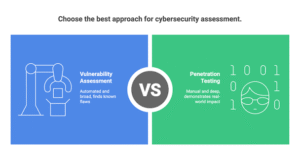
A network vulnerability assessment & penetration test also helps determine whether perimeter defenses can withstand different attack scenarios. Security experts may evaluate techniques such as reconnaissance, vulnerability exploitation attempts, and privilege escalation methods while following approved testing procedures. These controlled simulations provide a realistic understanding of potential risks without causing damage to business operations.
Organizations can also evaluate their network segmentation strategies through perimeter testing. Effective segmentation limits the ability of attackers to move from compromised external systems into sensitive internal environments. If security boundaries are weak, an attacker who gains access to one system may be able to reach critical resources. Testing segmentation controls helps identify whether additional restrictions are required to minimize the impact of potential breaches.
Regular evaluation of perimeter defenses is essential because network environments constantly change. New applications, cloud services, remote access solutions, and infrastructure updates can introduce new vulnerabilities. A security approach that was effective previously may become insufficient over time. Continuous testing allows organizations to maintain stronger protection and adapt their defenses according to changing threat landscapes.
The results of perimeter defense evaluations provide organizations with actionable recommendations. Security teams can prioritize vulnerabilities based on severity, potential impact, and exploitability. Critical issues such as exposed services, weak configurations, or authentication weaknesses can be addressed before attackers take advantage of them. This improves overall security readiness and supports better risk management decisions.
Businesses of all sizes can benefit from assessing their perimeter security. Small organizations may lack extensive security resources, making it important to identify weaknesses early. Large enterprises often manage complex networks with multiple access points, increasing the need for continuous evaluation. By regularly reviewing perimeter defenses, organizations can reduce exposure and improve their ability to prevent cyber incidents.
Ultimately, perimeter defenses are only effective when they are properly configured, monitored, and tested against realistic attack methods. Security assessments provide a clear picture of whether existing controls are functioning as intended. By identifying weaknesses before malicious actors discover them, organizations can strengthen their security posture, protect valuable data, and maintain greater confidence in their digital infrastructure.
